

 4 min
4 min
Is a Hybrid Vehicle Right for You? Understanding Hybrid Cars
Reading Time: 4 minutes
A few years ago, you usually had two fuel options when buying a car: diesel and petrol. However, with the rise of electric cars, things have changed. Now, there is also a new choice- hybrid cars. These cars combine a traditional engine and an electric motor to power the vehicle.
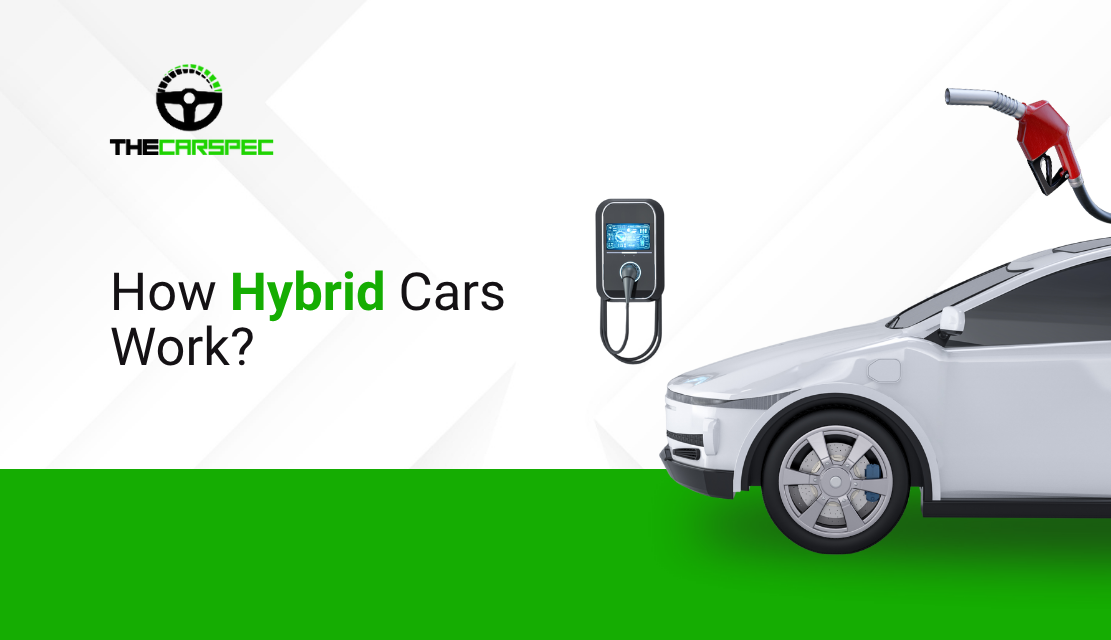
Hybrid vehicles are becoming an excellent choice for people who want something between traditional petrol/diesel cars and fully electric ones. In this blog, we will dive into what does hybrid mean, how do hybrid cars work and its pros and cons. So, let us get started!
What is a hybrid car?
As the name suggests, a hybrid car uses more than one type of fuel. Specifically, it runs on a combination of petrol, electricity and diesel. This mix makes the car more fuel-efficient and allows it to give better mileage while producing less carbon dioxide.
Once considered a niche choice for environmentalists and available only in a few models, hybrid vehicles have now become more common, with most car manufacturers offering at least one hybrid option. Simply put, it is a vehicle that uses two different types of power sources.
Today, there are several types of hybrid cars, most of which use a system called regenerative braking. This system helps charge the car’s battery while driving. On the other hand, plug-in hybrids work a bit differently from regular hybrids.
How does a hybrid car work?
A hybrid car uses both a combustion engine and an electric motor to operate. The combustion engine works just like in regular cars, burning fuel like diesel or petrol to power the car. But, the hybrid engine also has an electric motor and batteries, which allow it to run like an electric car.
Because of this, hybrid cars can use smaller combustion engines, as the electric motor helps share the workload. Now, let us talk about how the batteries in a hybrid car get charged. This is where hybrid cars differ from plug-in hybrids. Most hybrid cars recharge their batteries using a system called regenerative braking.
When the driver brakes, the car converts the energy from slowing down into electricity and stores it in the battery. However, in plug-in hybrids, the battery can also be charged by plugging it into an electric outlet, just like an all-electric car. That is the basic way a hybrid car works.
How regenerative braking works
Regenerative braking is based on how electric motors work. When you send electricity to an electric motor, it helps move the car. Once the car is in motion, the same motor can work as a generator. It can reverse the flow of electricity and capture the energy from the moving car to recharge the battery.
This is why hybrid motors are sometimes called “motor-generators.” The important thing to note is that this process also slows the car down. The system automatically kicks in when you press the brake or when the car is going downhill, all controlled by a computer.
Key parts of a standard hybrid car
In a standard hybrid, four main parts work together to make the car run efficiently:
Internal combustion engine
This engine is connected to the wheels. Powers the car at higher speeds and helps recharge the battery.
Battery system
The battery stores the electricity generated by the car and sends it to the electric motor and other parts of the car (like the lights, dashboard and windows). It is designed to last the whole life of the car and does not need to be plugged into an external power source (except in plug-in hybrids).
Control unit
This is like the brain of the car. It monitors and decides when and where the car should use the engine’s power or the electric motor’s power. It constantly adjusts based on the driver’s actions and available energy to make the car as fuel-efficient as possible.
Electric motor
This motor assists in driving the car at low speeds. It also collects energy during braking or deceleration, changes it into electricity and stores it in the battery.
What are the benefits of hybrid cars?
Lower maintenance costs
Hybrid cars generally cost less to maintain compared to regular cars. For example, oil changes are needed less often, which saves money and time.
Environmentally friendly
Hybrid cars are better for the environment because they combine a motor and a battery. This reduces their reliance on traditional fuels like petrol and diesel, which makes them cleaner and more eco-friendly.
Higher resale value
Unlike most cars that lose value quickly, hybrid cars tend to have better resale value. As more people choose hybrids, their popularity continues to rise, which helps maintain their worth over time.
Regenerative braking
A great feature of hybrid cars is generative braking. This system lets the car recharge its own battery while driving without needing to plug it into an external charger.
What are the drawbacks of hybrid cars?
Battery related risks
Hybrid cars have high-voltage batteries, which can increase the risk of accidents or damage. This is why having proper car insurance is important, even more so for hybrid vehicles.
Higher initial cost
One downside of hybrid cars is that they are more expensive upfront compared to traditional cars. The added technology and components, like the electric motor and battery, make them costlier.
Less power
Because hybrid cars use both a traditional engine and an electric motor, they may not deliver as much power as a full petrol or diesel-powered car. The combination of both engines can result in less overall performance.
Related: Hybrid vs. Plug-In Hybrid: Which Eco-Friendly Car is Right for You?
Conclusion
Hybrid cars offer an excellent balance between traditional fuel-powered vehicles and fully electric cars. Understanding what a hybrid car is and how hybrid cars work can help make an informed decision.
While they offer environmental and financial benefits, the hybrid engine might come with some drawbacks, like upfront costs. Whether you choose a hybrid vehicle or not depends on your driving preferences. The future of transportation is moving towards more sustainable options, and hybrid vehicles are a great choice for those seeking a middle ground.