

 4 min
4 min
Top 10 Electric Cars with Real World Range
Reading Time: 4 minutes
2026 Edition
Electric vehicles have undergone one of the most dramatic evolutions in automotive history. What started as a quiet experiment with hybrid drivetrains has now become a full‑scale revolution, reshaping how enthusiasts think about performance, efficiency, and long‑distance driving. To appreciate the incredible real‑world range of today’s best electric cars, it’s essential to understand how we got here—beginning with the earliest hybrid systems and progressing toward the fully electric machines dominating 2026.
Hybrids were the first step. Mild hybrids introduced small electric motors to support acceleration and reduce fuel consumption. Full hybrids, like the early Toyota Prius, added the ability to drive short distances purely on electric power. These systems taught engineers how to manage energy flow, optimize regenerative braking, and integrate electric propulsion into traditional platforms. Plug‑in hybrids (PHEVs) pushed the concept further, offering larger batteries capable of delivering dozens of electric miles before the gasoline engine stepped in. They were the bridge between combustion and electric mobility, giving drivers a taste of silent, instant torque while maintaining long‑distance capability.
But the true transformation began when manufacturers committed fully to battery‑electric architectures. BEVs eliminated the combustion engine entirely, relying on high‑capacity lithium‑ion or solid‑state batteries, advanced thermal management, and high‑efficiency motors. Today, in 2026, electric cars are no longer niche products—they are high‑performance machines capable of delivering thrilling acceleration, long‑distance capability, and sophisticated driving dynamics. Thecarspec believes that electric propulsion represents one of the most exciting engineering leaps of our era, not only for sustainability but for the pure mechanical and technological challenge it embodies.
For enthusiasts, real‑world range is the metric that matters most. Laboratory cycles like WLTP or EPA ratings are useful benchmarks, but they don’t always reflect real driving conditions—highway speeds, cold weather, elevation changes, passengers, luggage, and the natural variability of everyday life. Thecarspec thinks it’s important because range defines freedom: the freedom to travel, explore, and enjoy the road without compromise. A long‑range EV isn’t just efficient—it’s liberating.
With that spirit, here is Thecarspec.net’s 2026 Edition of the Top 10 Electric Cars with Real‑World Range, updated to include only full‑electric vehicles, crafted for passionate drivers who want both technical depth and emotional connection to the machines they love.
THE TOP 10 ELECTRIC CARS WITH REAL‑WORLD RANGE (2026)
-
Mercedes‑Benz EQS 550+ (2026)
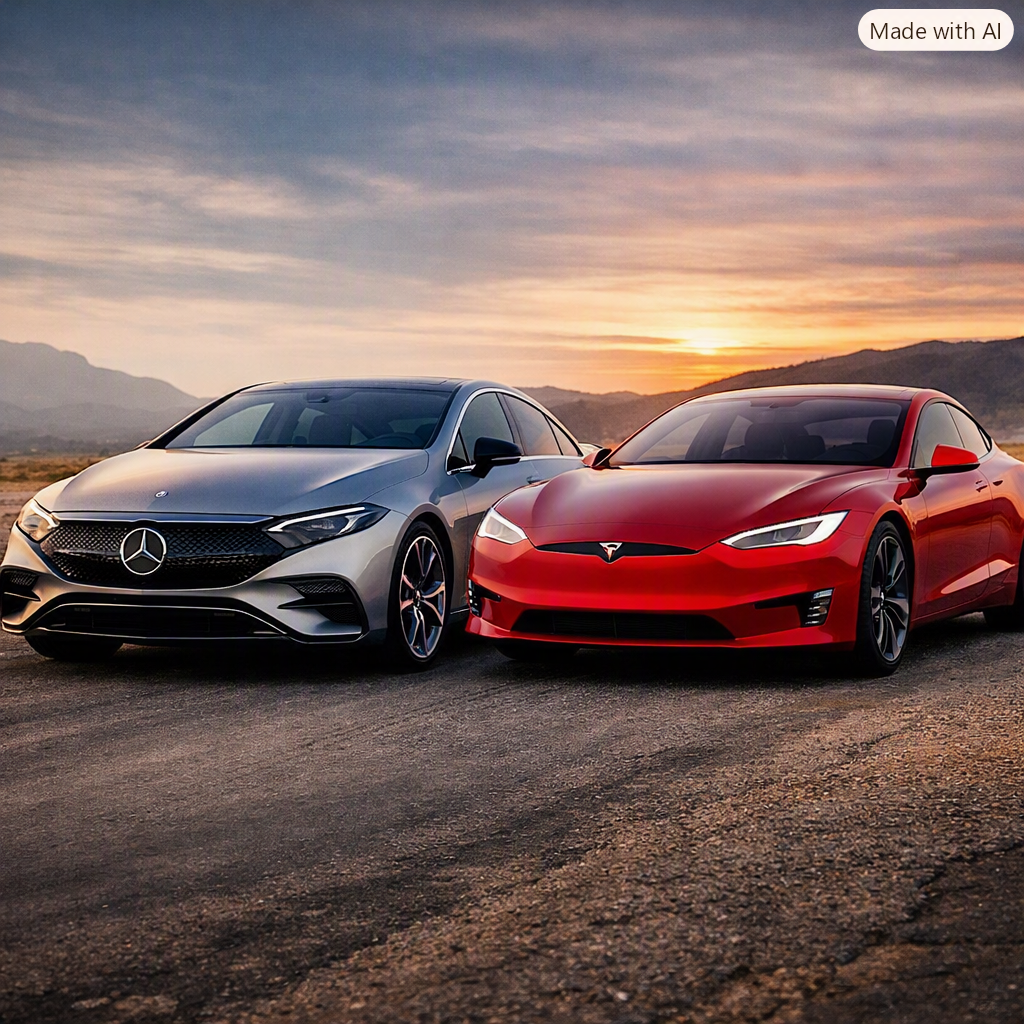
Real‑World Range: ~400 miles The EQS remains a masterclass in aerodynamic engineering. With a drag coefficient of 0.20, it slices through the air with unmatched efficiency. Its large battery pack, advanced cooling system, and smooth power delivery make it one of the most capable long‑distance EVs on the market. On highways, the EQS maintains its range impressively, even at higher European cruising speeds.
-
Tesla Model S Long Range (2026)
Real‑World Range: ~390 miles Tesla’s relentless software optimization keeps the Model S near the top of the range charts. The 2026 version features improved motor efficiency, better thermal management, and smarter energy distribution. Real‑world range remains one of its strongest attributes, especially on mixed city/highway routes. It’s still one of the most consistent long‑range EVs available.
-
BMW i7 xDrive60 (2026)
Real‑World Range: ~360 miles BMW’s flagship electric sedan blends luxury with efficiency. The i7’s adaptive energy management system helps preserve range even in colder climates, making it a reliable long‑distance cruiser. Its dual‑motor setup is smooth, refined, and surprisingly efficient for a large luxury sedan.
-
Hyundai Ioniq 6 Long Range AWD (2026)
Real‑World Range: ~340 miles Hyundai’s E‑GMP platform continues to impress. The Ioniq 6’s aerodynamic silhouette and efficient motors give it excellent real‑world range, especially in steady‑speed driving. It’s one of the most energy‑efficient EVs ever built, proving that smart engineering can outperform brute battery size.
-
Polestar 3 Long Range (2026)
Real‑World Range: ~330 miles Polestar’s new SUV offers a strong balance of performance and efficiency. Its real‑world range benefits from smart thermal control and a well‑optimized dual‑motor setup. The Polestar 3 is a premium SUV that doesn’t sacrifice range for style or performance.
-
Kia EV9 Long Range RWD (2026)
Real‑World Range: ~320 miles A family‑friendly electric SUV with surprisingly strong range. The EV9’s single‑motor configuration maximizes efficiency, making it ideal for long road trips. Its large battery pack and smart energy management give it endurance that rivals smaller, more aerodynamic EVs.
-
Ford Mustang Mach‑E Extended Range (2026)
Real‑World Range: ~310 miles Ford’s improvements to battery density and software management give the Mach‑E a solid real‑world range. It remains one of the most engaging EVs to drive, with a sporty character that appeals to enthusiasts. The 2026 update enhances efficiency without compromising performance.
-
Porsche Macan Electric Turbo (2026)
Real‑World Range: ~335 miles Porsche’s engineering precision shines here. The Macan EV combines performance‑oriented dual motors with a highly efficient 100‑kWh battery pack. Real‑world range remains strong even during spirited driving thanks to advanced thermal control and a low‑drag SUV silhouette. It’s a driver’s EV through and through—fast, responsive, and surprisingly efficient.
-
Toyota bZ5X Long Range (2026)
Real‑World Range: ~325 miles Toyota’s newest long‑range EV SUV uses next‑generation battery chemistry with improved silicon‑anode density. The bZ5X stands out for its consistency: range remains stable in cold weather, highway cruising, and mixed driving. It’s a reliable, efficiency‑focused alternative with Toyota’s trademark durability.
-
Nissan Ariya e‑4ORCE Max Range (2026)
Real‑World Range: ~315 miles Nissan’s dual‑motor e‑4ORCE system optimizes traction and energy distribution, giving the Ariya excellent real‑world efficiency. The 2026 Max Range version features upgraded battery cooling and improved regenerative braking, making it a strong contender for long‑distance EV travel.
Technical Factors Behind Real‑World Range
Real‑world range depends on several engineering pillars:
- Battery Chemistry: 2026 models increasingly use silicon‑enhanced anodes and improved electrolyte formulations, boosting energy density and reducing degradation.
- Thermal Management: Liquid‑cooling systems maintain optimal battery temperature, crucial for consistent range in both hot and cold climates.
- Aerodynamics: Drag coefficient plays a massive role. Sleek sedans like the EQS and Ioniq 6 outperform SUVs simply because they cut through air more efficiently.
- Motor Efficiency: High‑efficiency permanent‑magnet motors reduce energy loss, especially at highway speeds.
- Software Optimization: Intelligent energy management systems adjust power delivery, climate control, and regenerative braking to preserve range.
- Driving Behavior: Speed, acceleration, temperature, and load all influence real‑world results. EVs reward smooth, consistent driving.
Why Real‑World Range Matters to Enthusiasts
Electric cars are no longer just about sustainability—they are about performance, engineering excellence, and the joy of driving. Range is a technical metric, but it also represents emotional freedom. The ability to drive hundreds of miles without stopping transforms an EV from a city commuter into a true road‑trip companion.
For enthusiasts who love long drives, mountain roads, or cross‑country adventures, real‑world range is the ultimate measure of an EV’s capability. It defines how far you can push the car, how confidently you can explore, and how seamlessly the machine integrates into your lifestyle.
Electric cars have matured. They are fast, efficient, quiet, and technologically advanced. But above all, they are exciting. And the 2026 lineup proves that the future of driving passion is electric.